

The way work gets done in 2026 looks very different from just a few years ago. It’s no longer just about tools—it’s about intelligent systems that can think, act, and adapt.
AI agents have moved beyond simple automation and are now actively transforming digital workflows across industries.
From marketing teams to software developers, businesses are leveraging AI agents to handle complex, multi-step tasks with minimal human intervention. The result? Faster execution, improved accuracy, and more time for creative and strategic thinking.
What Are AI Agents?
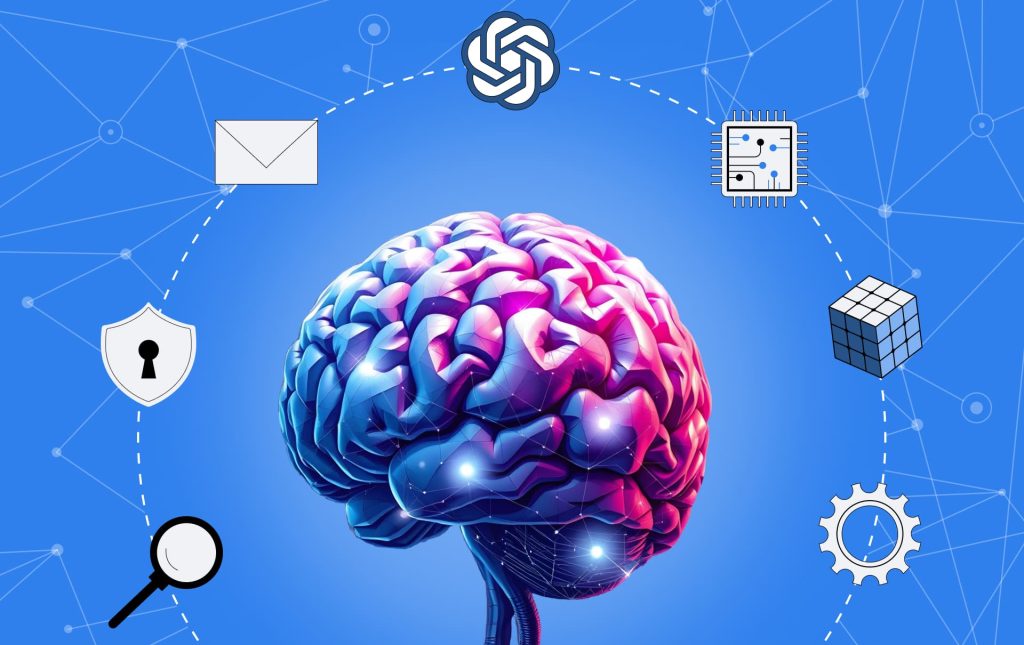
AI agents are advanced software systems designed to perform tasks autonomously. Unlike traditional automation tools that follow fixed rules, these agents can analyze data, make decisions, and even learn from outcomes.
Think of them as digital coworkers that can:
- Plan tasks
- Execute workflows
- Communicate with other systems
- Continuously improve performance
They are often powered by large language models, machine learning algorithms, and integrations with APIs, allowing them to function across multiple platforms seamlessly.
The Shift From Automation to Autonomy
Earlier automation tools were limited to repetitive tasks—like sending emails or updating spreadsheets. AI agents, however, bring a new level of autonomy.
For example, instead of just scheduling social media posts, an AI agent can:
- Analyze audience behavior
- Generate content ideas
- Create and schedule posts
- Monitor engagement
- Adjust strategy based on performance
This shift is redefining productivity. Businesses are no longer just automating tasks—they are delegating responsibilities.
Key Areas Where AI Agents Are Making an Impact
1. Marketing and Content Creation
AI agents are revolutionizing digital marketing workflows. They can manage entire campaigns from start to finish, including keyword research, content generation, and performance tracking.
Marketers now use AI agents to:
- Generate blog posts and ad copy
- Optimize SEO strategies
- Run A/B tests automatically
- Analyze campaign results in real time
According to insights shared on technected.com, AI-driven marketing workflows are becoming more data-driven and efficient than ever, helping teams scale content and campaigns with precision.
2. Software Development
In development environments, AI agents assist with coding, debugging, and deployment. They can write code snippets, identify bugs, and even suggest improvements based on best practices.
This reduces development time and allows developers to focus on architecture and innovation rather than repetitive coding tasks.
3. Customer Support
AI-powered agents are transforming customer service by handling queries instantly and accurately. These agents can:
- Respond to customer inquiries
- Resolve common issues
- Escalate complex cases when needed
The result is faster response times and improved customer satisfaction.
4. Business Operations
From managing internal workflows to handling data analysis, AI agents are streamlining operations across departments. They can coordinate between tools like CRMs, project management systems, and analytics platforms.
This integration eliminates bottlenecks and ensures smoother collaboration between teams.
Benefits of AI Agents in Digital Workflows
Increased Efficiency
AI agents can work 24/7 without fatigue, completing tasks faster than human teams.
Reduced Errors
By minimizing manual intervention, AI agents reduce the chances of human error.
Cost Savings
Businesses can optimize resources by automating complex processes.
Scalability
AI agents can handle increasing workloads without requiring proportional increases in manpower.
Challenges and Considerations
Despite their advantages, AI agents come with challenges:
- Data Privacy Risks: Handling sensitive information requires strict security measures
- Over-Reliance: Excessive dependence on AI can reduce human oversight
- Integration Complexity: Implementing AI agents across multiple systems can be technically challenging
Organizations must balance automation with human judgment to achieve the best results.
The Future of Workflows
Looking ahead, AI agents are expected to become even more sophisticated. They will not only execute tasks but also collaborate with humans in real time, offering suggestions and insights during decision-making processes.
Workflows will become more dynamic, adaptive, and intelligent—shifting from rigid structures to fluid systems that evolve continuously.
Final Thoughts
AI agents are not just enhancing digital workflows—they are redefining them. By combining autonomy, intelligence, and scalability, these systems are enabling businesses to operate more efficiently and innovate faster.
As adoption continues to grow, companies that embrace AI agents early will gain a significant competitive advantage in the evolving digital landscape of 2026.