

wp:paragraph
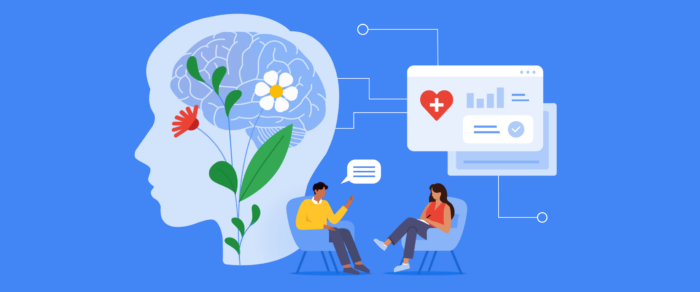
Mental health apps were just the beginning. AI companions are now providing emotional support and therapeutic conversations to millions of people worldwide.
/wp:paragraph
wp:paragraph
These digital relationships range from professional therapy bots to more personal connections, such as AI girlfriend apps like aigirlfriend.com.
/wp:paragraph
wp:paragraph
The technology addresses loneliness, anxiety, and depression through constant availability and judgment-free interactions. This shift represents a fundamental change in how we approach mental health support and human connection.
/wp:paragraph
wp:image {“id”:2513,”sizeSlug”:”full”,”linkDestination”:”none”,”align”:”center”}
/wp:image
wp:heading
The Rise of AI Therapy and Counseling
/wp:heading
wp:paragraph
Traditional therapy faces significant barriers that AI is helping to overcome. Long waiting lists, high costs, and limited availability leave many people without proper mental health support. That’s where AI therapists step in to fill the gap.
/wp:paragraph
wp:paragraph
Many apps today use cognitive behavioral therapy techniques to guide users through mental health challenges. They provide immediate responses during crisis moments when human therapists aren’t available.
/wp:paragraph
wp:paragraph
What makes this particularly valuable is how these tools offer consistent, evidence-based support without the stigma some people feel about seeking traditional therapy.
/wp:paragraph
wp:paragraph
However, there’s an important distinction here. AI therapy tools work best as supplements to human care rather than complete replacements. They excel at providing coping strategies, mood tracking, and immediate emotional support.
/wp:paragraph
wp:paragraph
But they can’t replicate the deep understanding and complex problem-solving that experienced human therapists provide.
/wp:paragraph
wp:paragraph
The accessibility factor can’t be ignored, though. People in remote areas or those with mobility issues now have mental health support options they never had before. Plus, the 24/7 availability means help is there during those difficult 3 AM moments when anxiety strikes hardest.
/wp:paragraph
wp:heading
Emotional Companionship Through AI
/wp:heading
wp:paragraph
Loneliness has become a widespread health crisis, especially after recent global events isolated people from their social circles. AI companionship apps are addressing this need by providing a consistent emotional connection and conversation.
/wp:paragraph
wp:paragraph
These applications use advanced natural language processing to create engaging, personalized interactions. They remember past conversations, learn user preferences, and adapt their responses to individual personalities. The result feels surprisingly authentic to many users.
/wp:paragraph
wp:paragraph
What’s interesting is how these AI companions help people practice social skills in a low-pressure environment. Users can work through social anxiety, improve conversation abilities, and build confidence before engaging in real-world relationships. This therapeutic benefit extends beyond simple companionship.
/wp:paragraph
wp:paragraph
That said, there are valid concerns about people becoming too dependent on artificial relationships. Mental health experts worry that excessive reliance on AI companions might hinder the development of human social skills. The key is finding a balance between digital support and real human connection.
/wp:paragraph
wp:heading
Crisis Intervention and Prevention
/wp:heading
wp:paragraph
AI mental health tools excel at crisis detection and intervention. They analyze conversation patterns, mood indicators, and behavioral changes to identify when someone might be at risk. This early warning system can be lifesaving.
/wp:paragraph
wp:paragraph
When crisis indicators appear, these systems immediately connect users with human counselors or emergency services. They also provide immediate coping strategies while professional help is being arranged. The speed of this response often makes the difference in critical situations.
/wp:paragraph
wp:paragraph
Text analysis algorithms can detect subtle changes in language that might indicate declining mental health.
/wp:paragraph
wp:paragraph
Things like increased negative language, social withdrawal mentions, or hopelessness expressions trigger appropriate interventions. This level of monitoring would be impossible for human therapists to maintain continuously.
/wp:paragraph
wp:paragraph
Moreover, AI tools help people track their mental health patterns over time. They identify triggers, mood cycles, and effective coping strategies through data analysis. This information proves valuable for both users and their human healthcare providers.
/wp:paragraph
wp:image {“id”:2512,”sizeSlug”:”full”,”linkDestination”:”none”,”align”:”center”}
/wp:image
wp:heading
Privacy and Ethical Considerations
/wp:heading
wp:paragraph
Mental health AI raises serious privacy questions since these applications collect highly sensitive personal information. Users share their deepest fears, relationship problems, and mental health struggles with these systems. How this data gets stored, used, and protected becomes absolutely critical.
/wp:paragraph
wp:paragraph
Some companies have faced criticism for inadequate data protection or unclear privacy policies. Others have been more transparent about their practices and security measures. As a user, it’s essential to research these policies before sharing personal information.
/wp:paragraph
wp:paragraph
There’s also the question of whether AI should be making mental health recommendations at all. While these tools can provide general coping strategies, they shouldn’t diagnose conditions or replace professional medical advice. The line between helpful support and potentially harmful advice isn’t always clear.
/wp:paragraph
wp:heading
The Future of AI Mental Health Support
/wp:heading
wp:paragraph
Integration with traditional healthcare systems represents the next major step. AI tools will likely become standard supplements to therapy, providing continuous support between sessions and helping therapists track patient progress more effectively.
/wp:paragraph
wp:paragraph
Improved emotional intelligence in AI will make these tools even more helpful. As natural language processing advances, AI companions will better understand context, emotion, and nuanced human communication patterns.
/wp:paragraph
wp:heading
Conclusion
/wp:heading
wp:paragraph
AI mental health support isn’t replacing human connection and professional therapy. Instead, it’s expanding access and providing valuable supplementary care. The technology works best when combined with human expertise and real relationships.
/wp:paragraph
wp:paragraph
As these tools improve, they’ll become increasingly important parts of comprehensive mental health care systems.
/wp:paragraph